

ACT ONE: Death of a Salesman
A timeless tragedy first released in 1949, Arthur Miller’s Death of a Salesman is experiencing yet another renaissance in America as the idyllic American Dream becomes more and more elusive for the masses. The latest Broadway version starring Nathan Lane as protagonist Willy Loman is experiencing rave reviews for its updated poignant and powerful portrayal of the perils of corporate America.
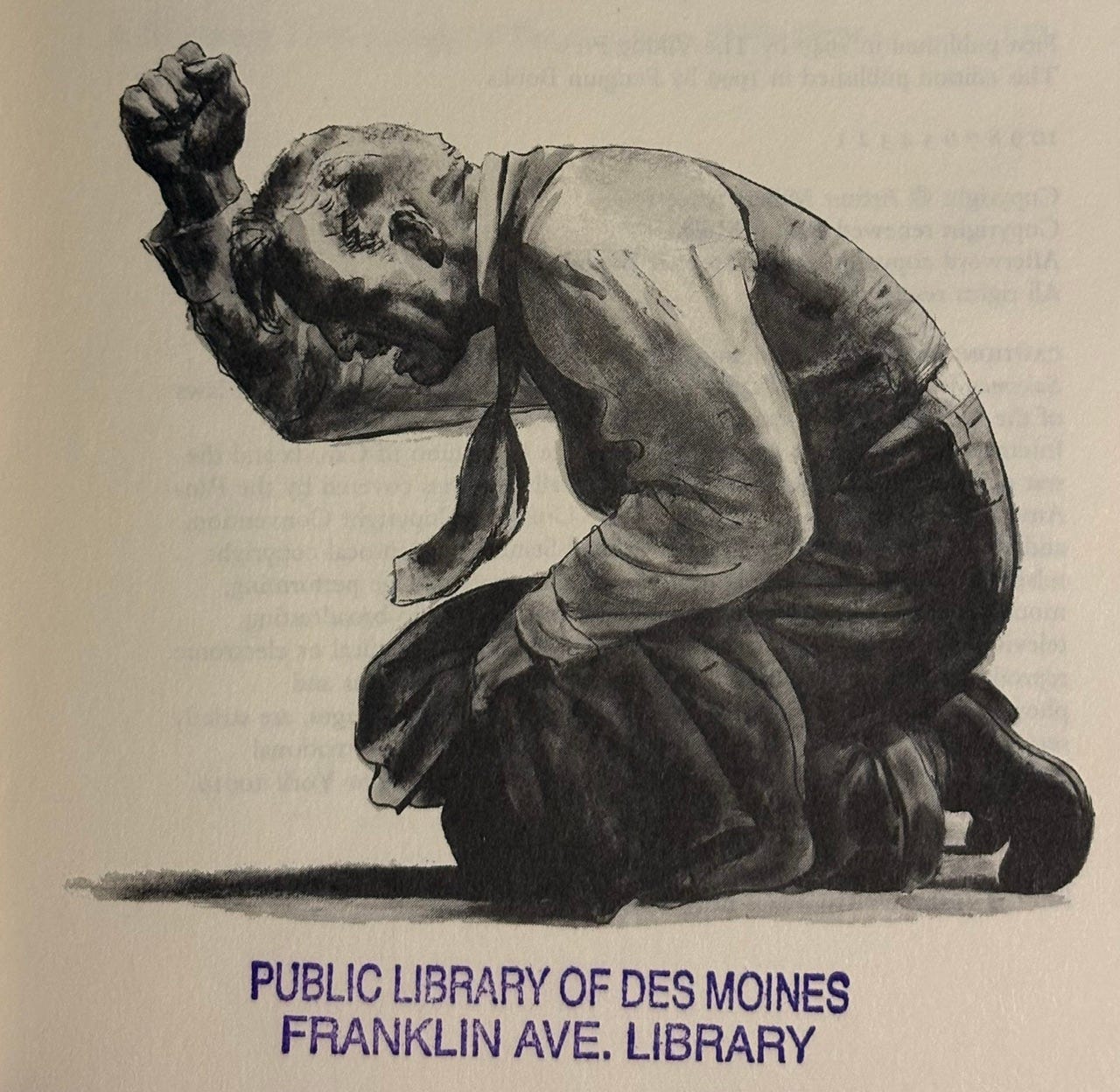
Since abruptly losing my corporate job in early 2024, I’ve tried hard to find the opportunity in the crisis, embracing intelligent failures as recommended by the celebrated minds of Albert Einstein (“In the midst of every crisis, lies great opportunity.”) and Thomas Edison (“I have not failed. I have just found 10,000 ways that won’t work.”) Amidst recent personal and professional exploration, the timing felt appropriate to re-read Miller’s classic, so I popped over to the Franklin Avenue Library and checked out a copy.
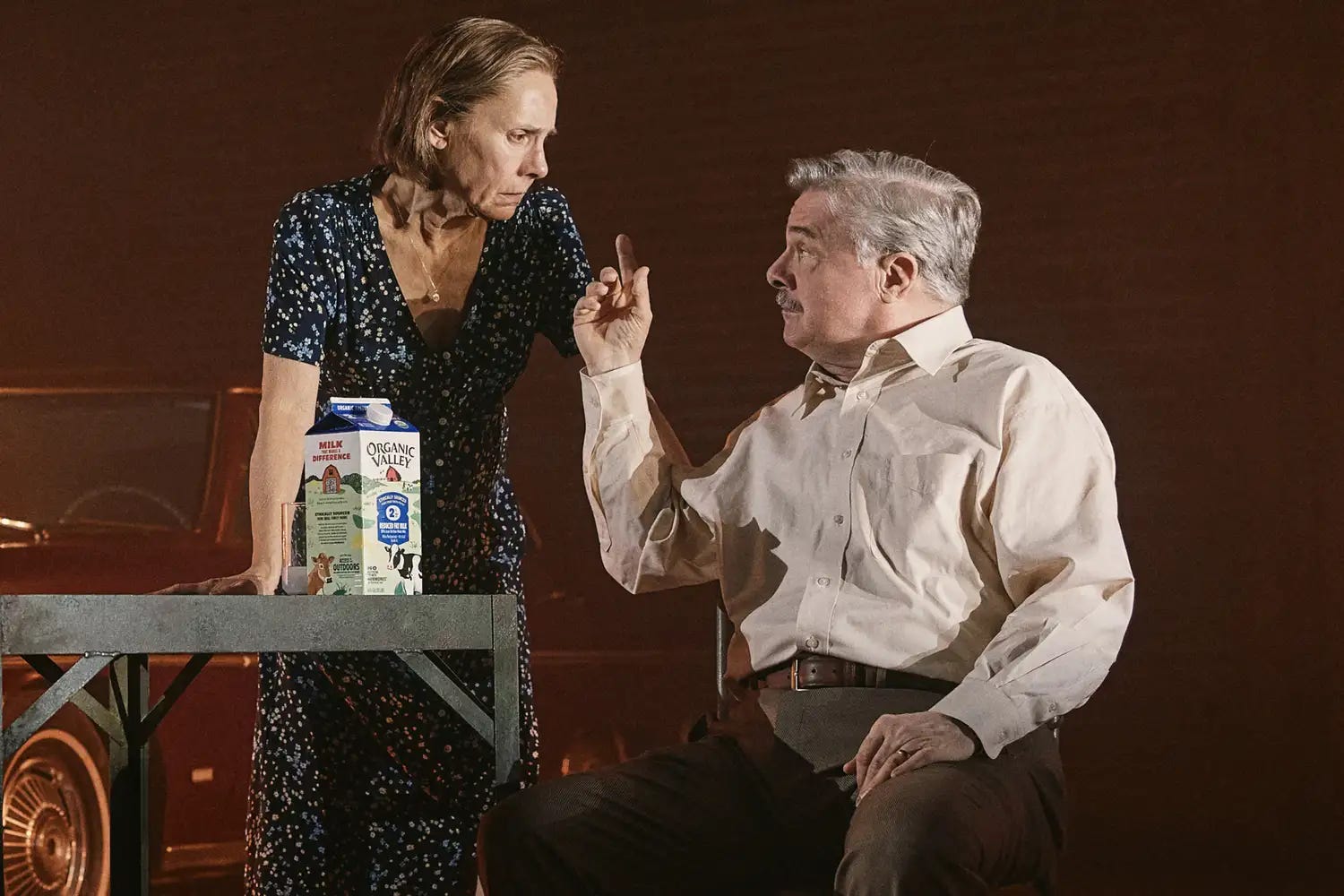
The pacing of the play and its ability to dovetail the past and future into a very present stream of consciousness makes it a brilliant work of art. It creates confusion while unraveling the frustrations and psyches of the main characters trapped in unfulfilling lives, falling short of dreams that were perhaps never really their own. “What does it mean to live in a society that promises a lot but guarantees nothing?” asks a Kennedy Center commentary, “Miller wrote Death of a Salesman with that question in mind. It’s a play about the struggle for success and disappointment of the American Dream.”
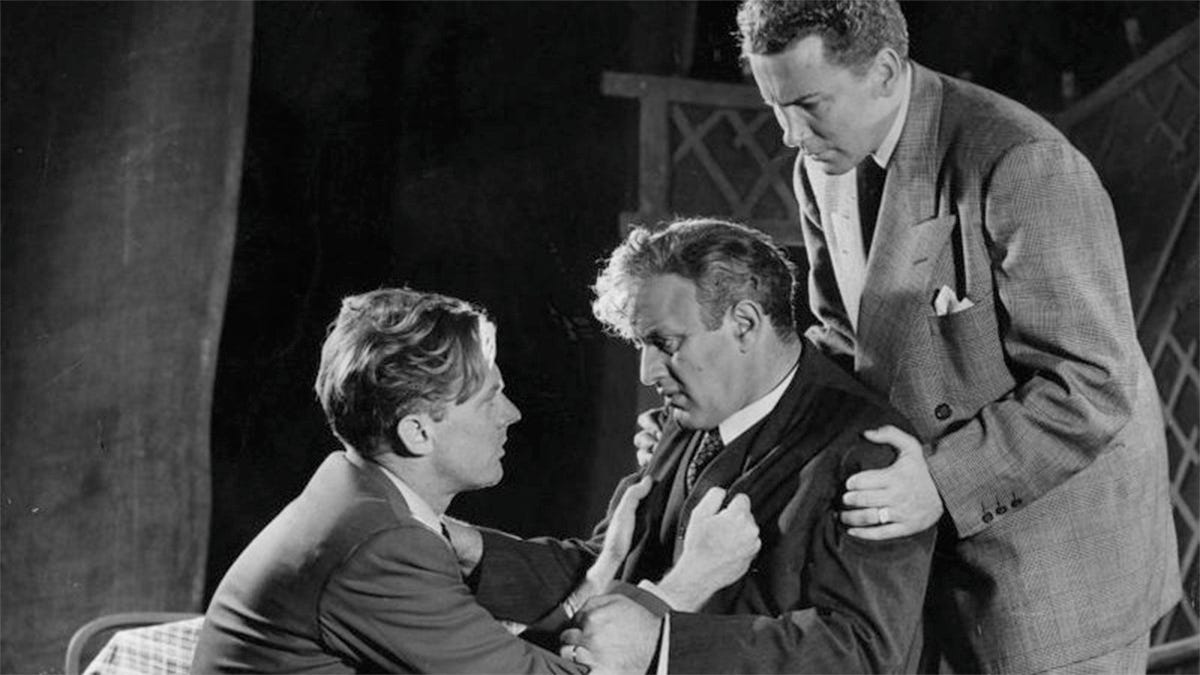
The Kennedy Center piece continues: “What exactly is The American Dream? It’s the promise that life can be better for every person if he or she has the opportunity and willingness to work hard— regardless of their background or social class. During his life, Miller saw that some people would never be able to realize that dream, no matter how hard they worked. He knew that not everyone had equal opportunities to succeed.” Miller’s commentary on the incompleteness of the dream continues to ring true today.
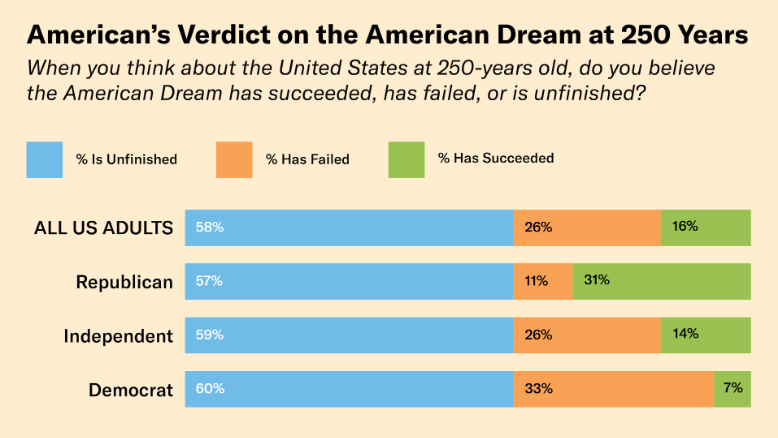
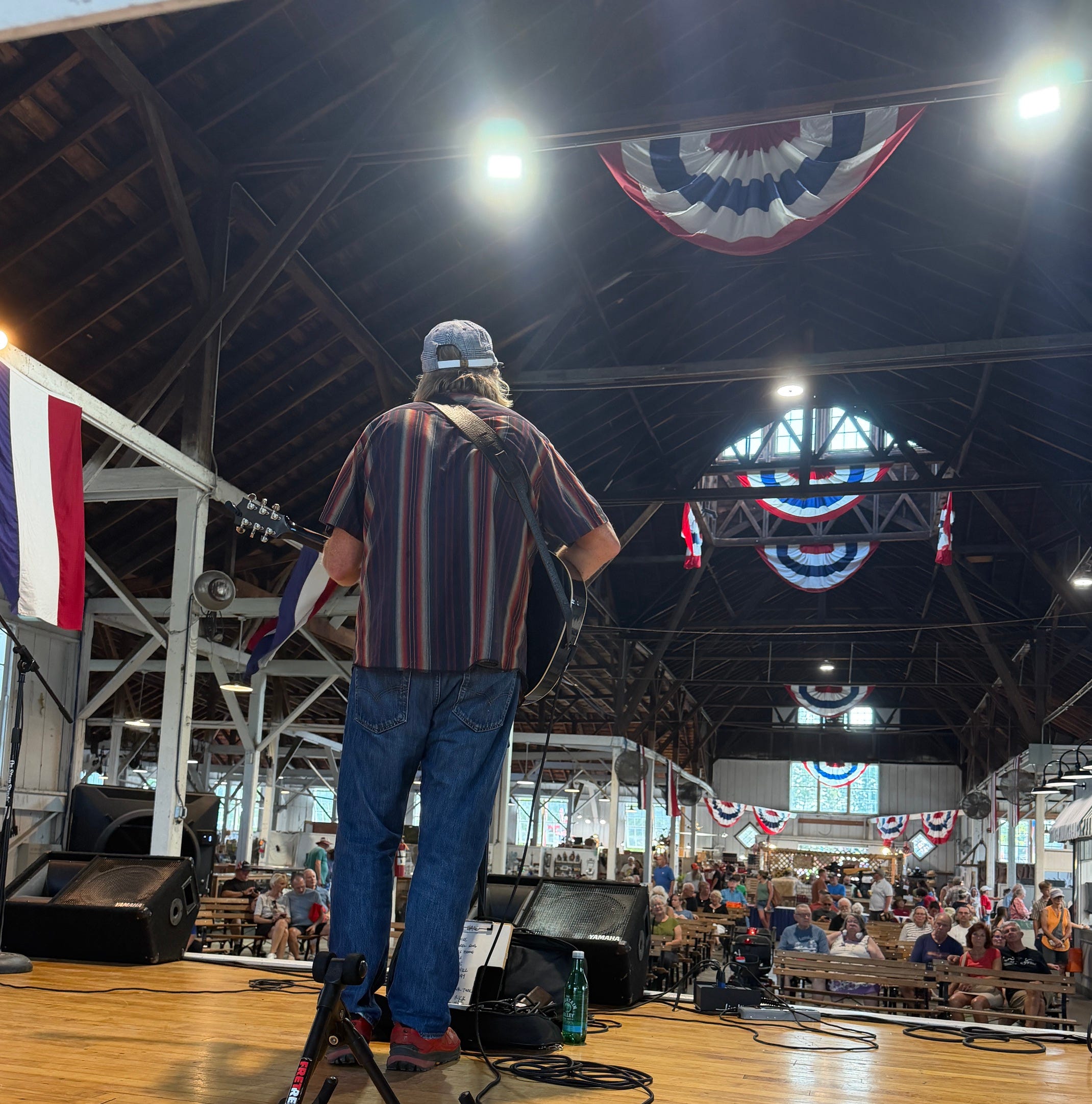
To me, both the American Dream and my own personal journey are very much unfinished. Since venturing into the world of independent employment, new worlds of opportunity and failure have presented themselves. I’ve played for audiences from two to two hundred or more. More than anything, I embrace the malleability and adjudication of success. After all, as the great singer-songwriter Leonard Cohen once said, “Success is survival.” So here I am a few years into it all, continuing to survive and adapt.
ACT TWO: Metamorphosis
Despite plenty of challenges, learning to live independently provides new perspectives. One certainty is that the Iowa music scene is robust despite being under-resourced across the board. Alex Rodriquez and Mark Lore became part of the Minnesota Timberwolves ownership group when I was a Vice President with the Iowa Wolves. In an early speech to the staff and press, Lore pointed out that when “Vision. Talent. Capital.” were all present, greatness would occur. He guaranteed the T-Wolves would never be short on the latter.
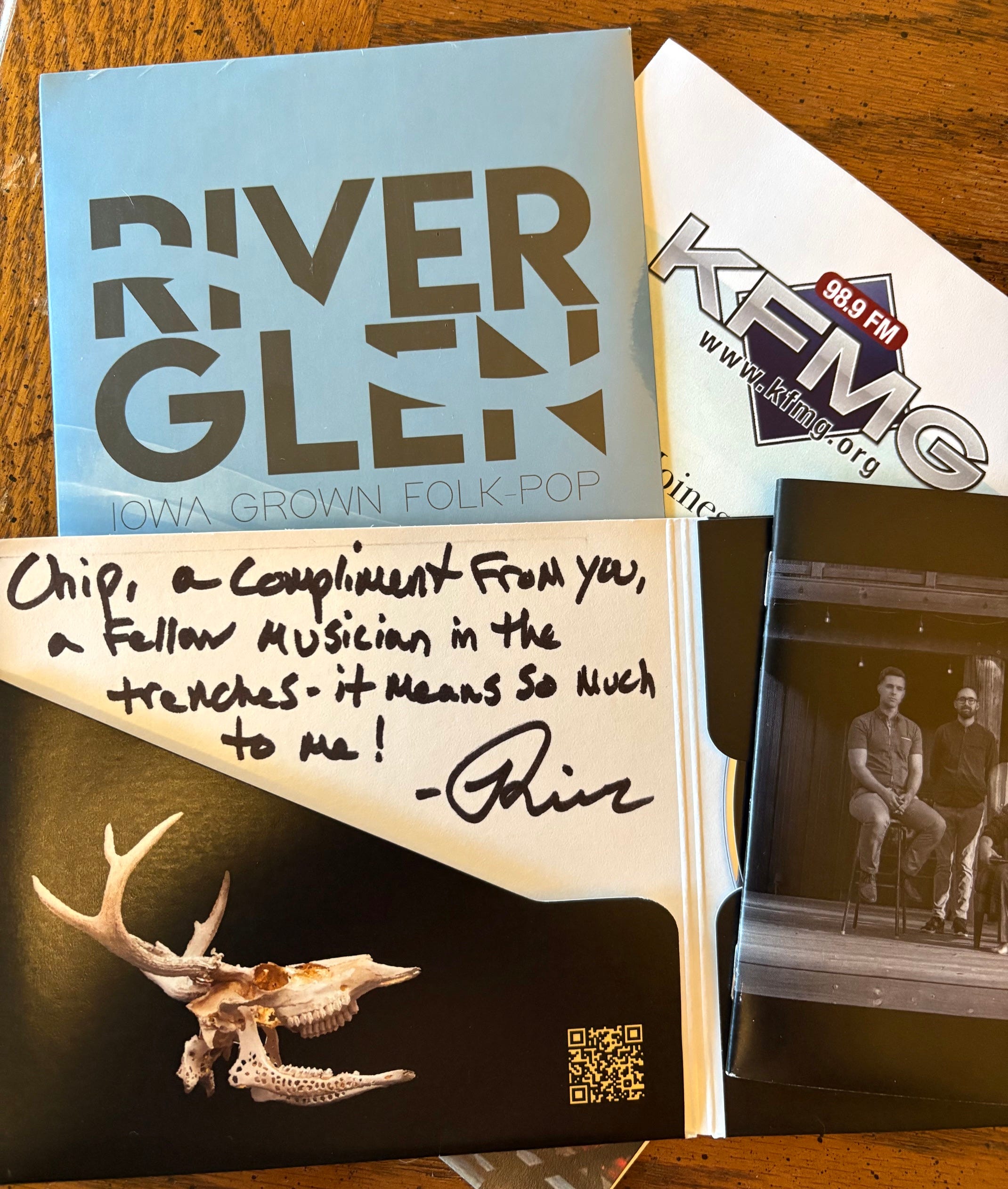
This formula certainly applies to an Iowa music scene rich in talent and vision but without adequate capital flowing into the system, especially for original work. Each time I host the 3-hour Iowa Homegrown on KFMG Community Radio (you can access all the Spotify playlists here on my profile page at the bottom under Artists Playlists), I discover new artists, new releases, new hooky tracks, beautiful harmonies, clever songwriting, you-name-the-accolade, and rarely is anyone under a fancy label paying for the production. Iowa artists are creating in droves. They support each other in unique ways and there’s enormous passion and talent pushing the scene forward across genres. Most great local shows are full of wickedly talented artists in the audience, bolstering their fellow musicians through attendance, applause and amplification. It’s a gorgeous cross-pollination of people, sharing kindness and supporting each other.
As I often say at shows, I believe songs are empathetic vignettes. They allow us to see the world through the eyes of another. That’s a thing of beauty. Numerous times I’ve had someone want to chat me up after a set about my song “Up on Chorito Ridge” because the story of my grandpa’s WWII experiences catalyzed a memory for them. When meaningful connection between storyteller and listener involves this level of interaction, it drives me. I believe more in the inherent good of my efforts, despite how financially and physically challenging sharing original and independent music can sometimes be.
The balancing act of putting good into the world while helping your family chase the aforementioned American Dream is tricky to say the least. I learned early on in the local music scene that the vast majority of participants are working several side gigs to make ends meet. From bartending to venue work, music lessons to education — there are many irons in the fire fueled by the passion of Iowa artists. They are absolutely one of the hardest-working groups of people I’ve ever encountered.
Awhile back I learned that the call letters for the Grand Ol’ Opry on WSM Radio stood for “We Shield Millions,” the primary component of a 1925 advertising campaign from the now-defunct National Life and Accident Insurance Company. Marc Lore’s quote sprang to mind as I realized that insurance advertising dollars were the original capital source for the 100+ year-old institution that built country music. I picked up that little nugget of trivia from a Patsy Cline biography and was approached soon thereafter by someone who heard me talk about my experience as a caregiver during an opening set at xBk Live in Des Moines. He told me about a caregiver insurance policy his insurance agency represented and suggested that it could become a much-needed revenue stream for an independent musician such as myself, as well as a chance to help others prepare for the future. After learning more about the policy and realizing how beneficial it would have been for us during our caregiver years, I studied for and passed the insurance examination to become licensed in Iowa, Kansas and Missouri.
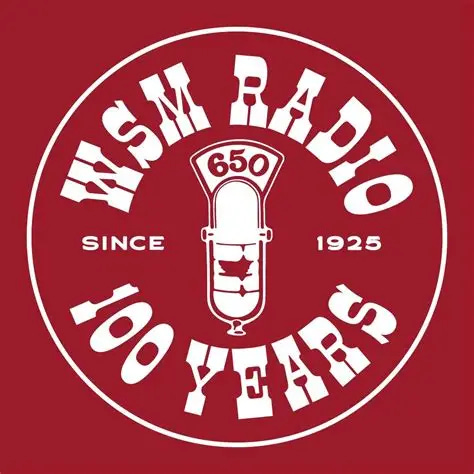
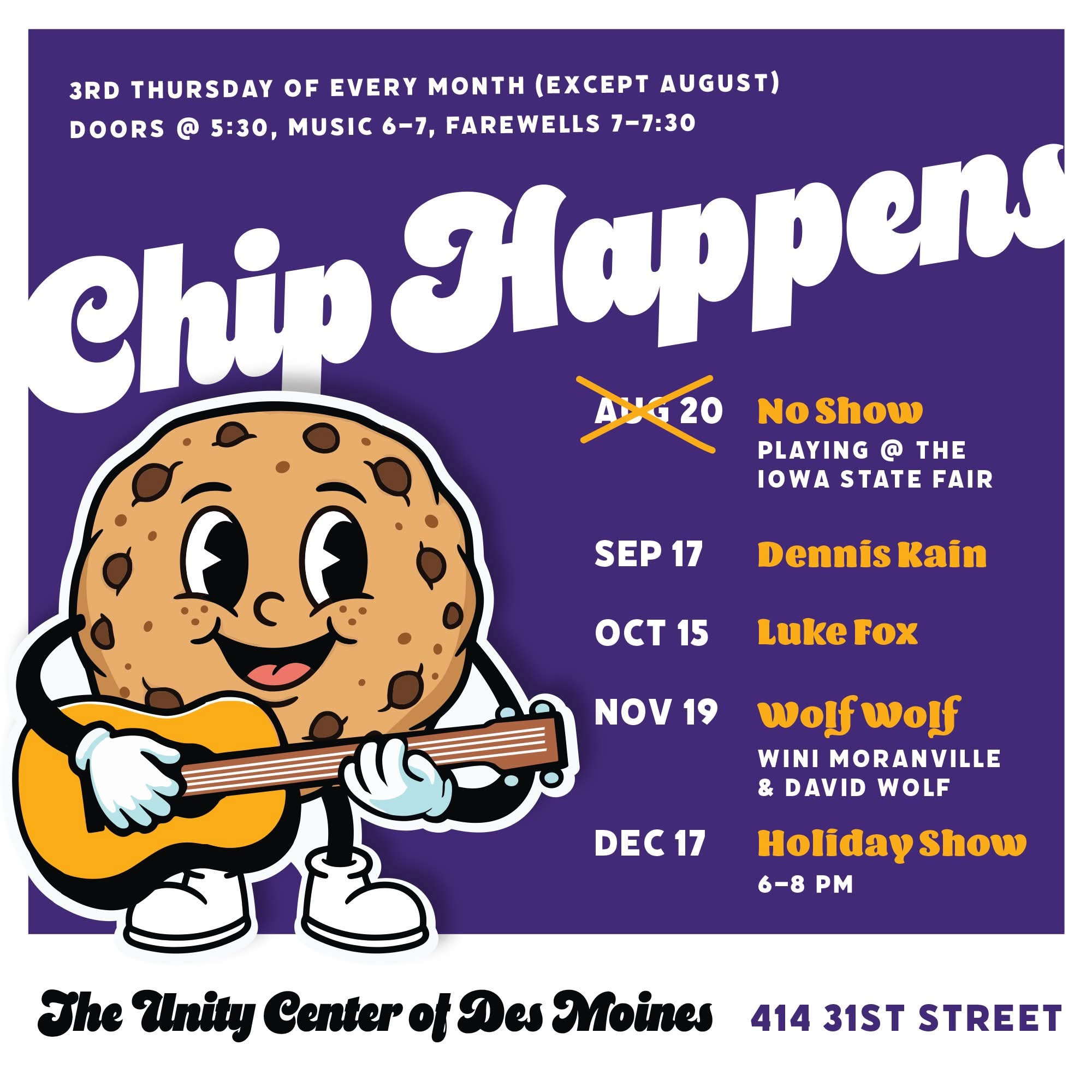
From sharing my songs inside memory care units to coordinating fundraising events for non-profits, hosting a monthly live music series for other Iowa artists at the Unity Center, writing a weekly column as part of the Iowa Writers’ Collaborative, performing live, volunteer hosting local community radio, writing songs for what I believe to be are good causes and working as a consulting strategist, I often feel like I’m burning my candle at both ends, and possibly in the middle, to boot. I’m also feeling the love from these fires in unexpected and inspiring ways. I know I’m helping people because I’ve already seen the caregiver policy do wonders, helping good people like my musician friend Kirby Small and my wife’s Uncle Pete get back on their feet (physically and financially) after medical issues. The near-inevitability of needing care is a conversation that the vast majority of people would prefer to avoid, so I’m extremely grateful for every engaging conversation I have. Sixty-three million Americans were caregivers for an adult in their lives in 2025—that’s one in four American adults. It’s truly an epidemic and an arena in which I can help improve the quality of life for many people. The AARP refers to caregivers as the “invisible backbone” of the health care system and I couldn’t agree more. I go much more into depth on this topic in my essay, Prepare to Care.
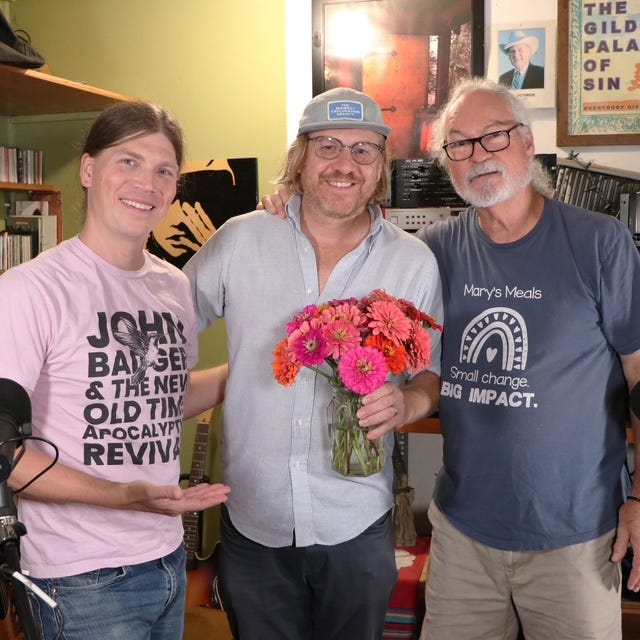
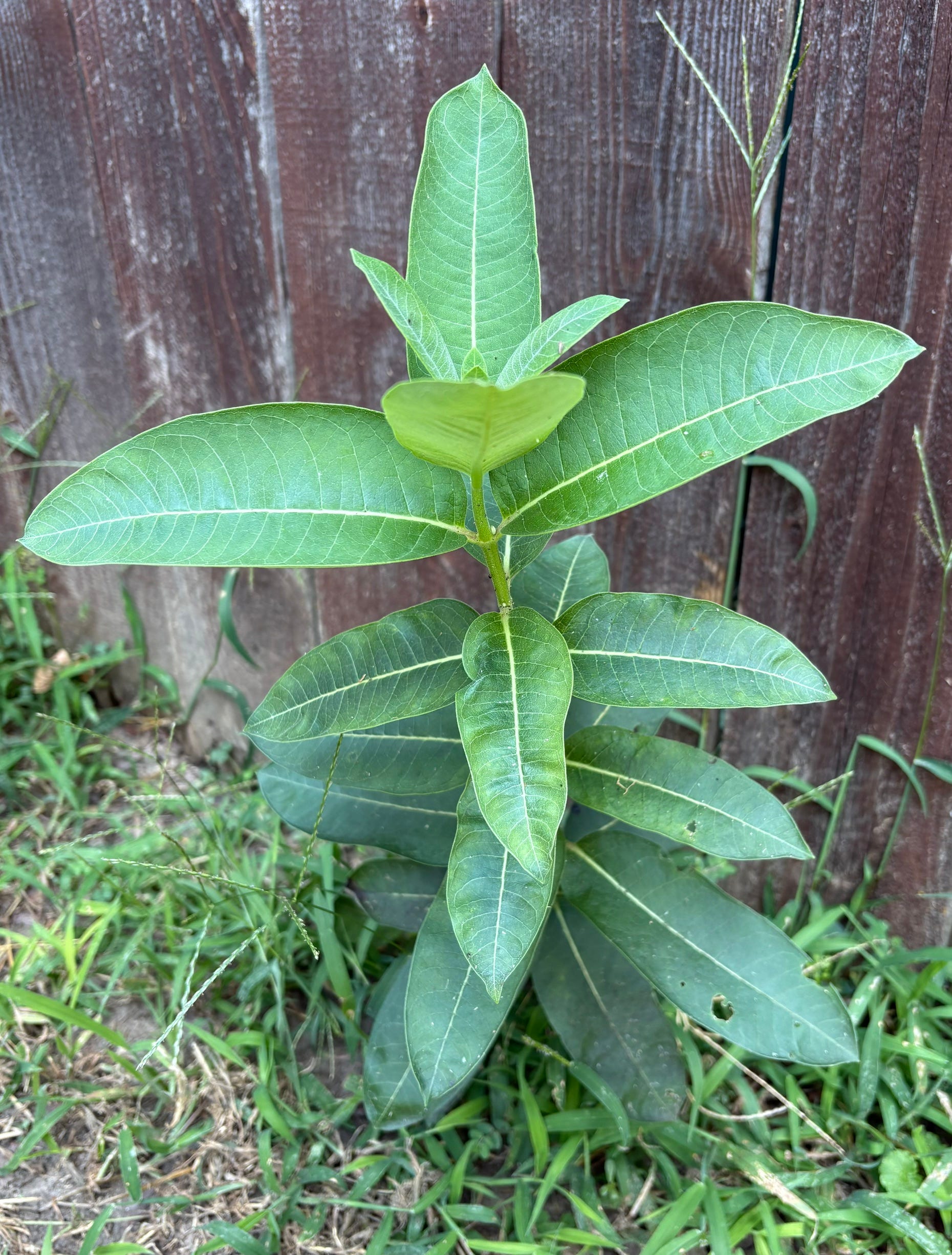
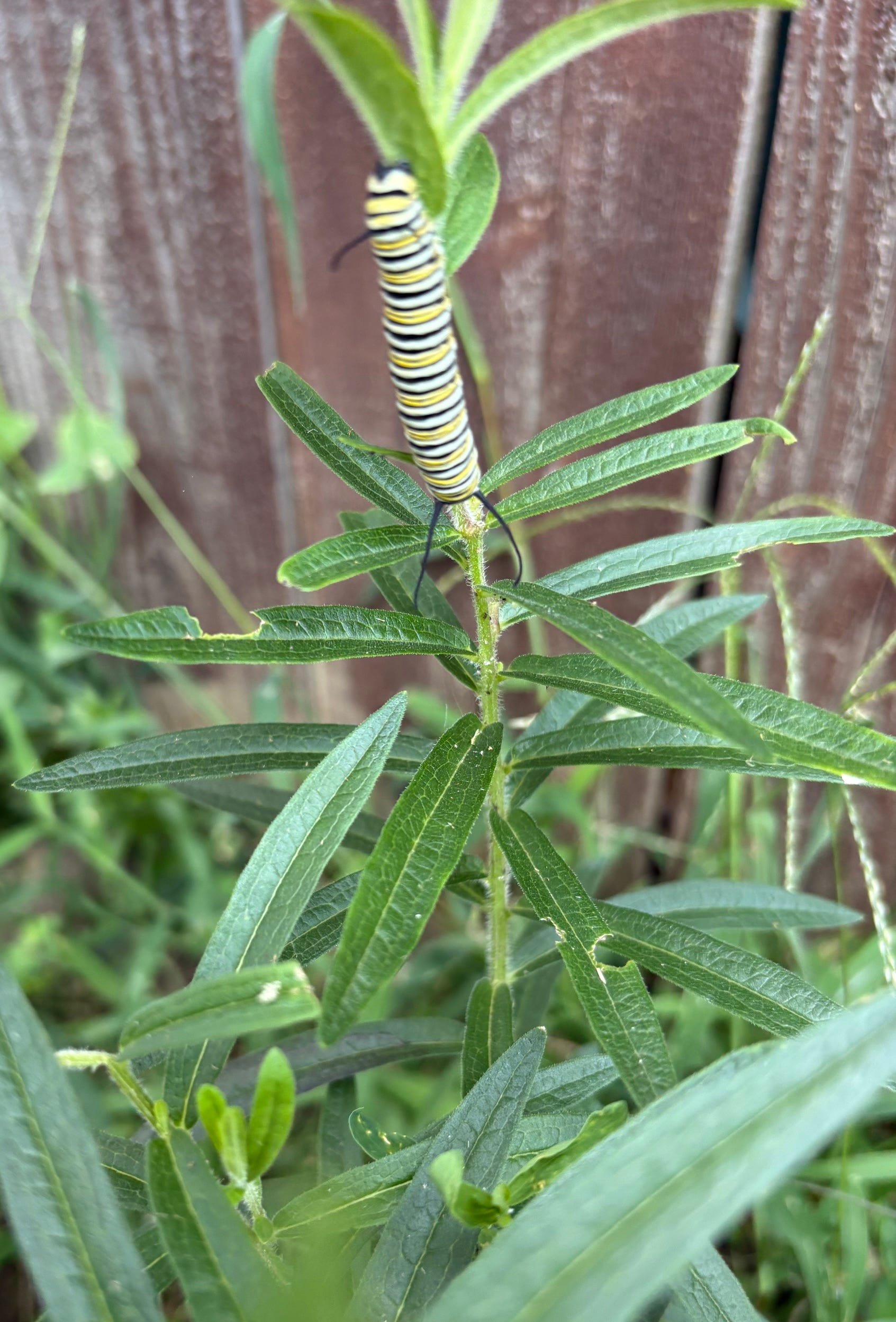
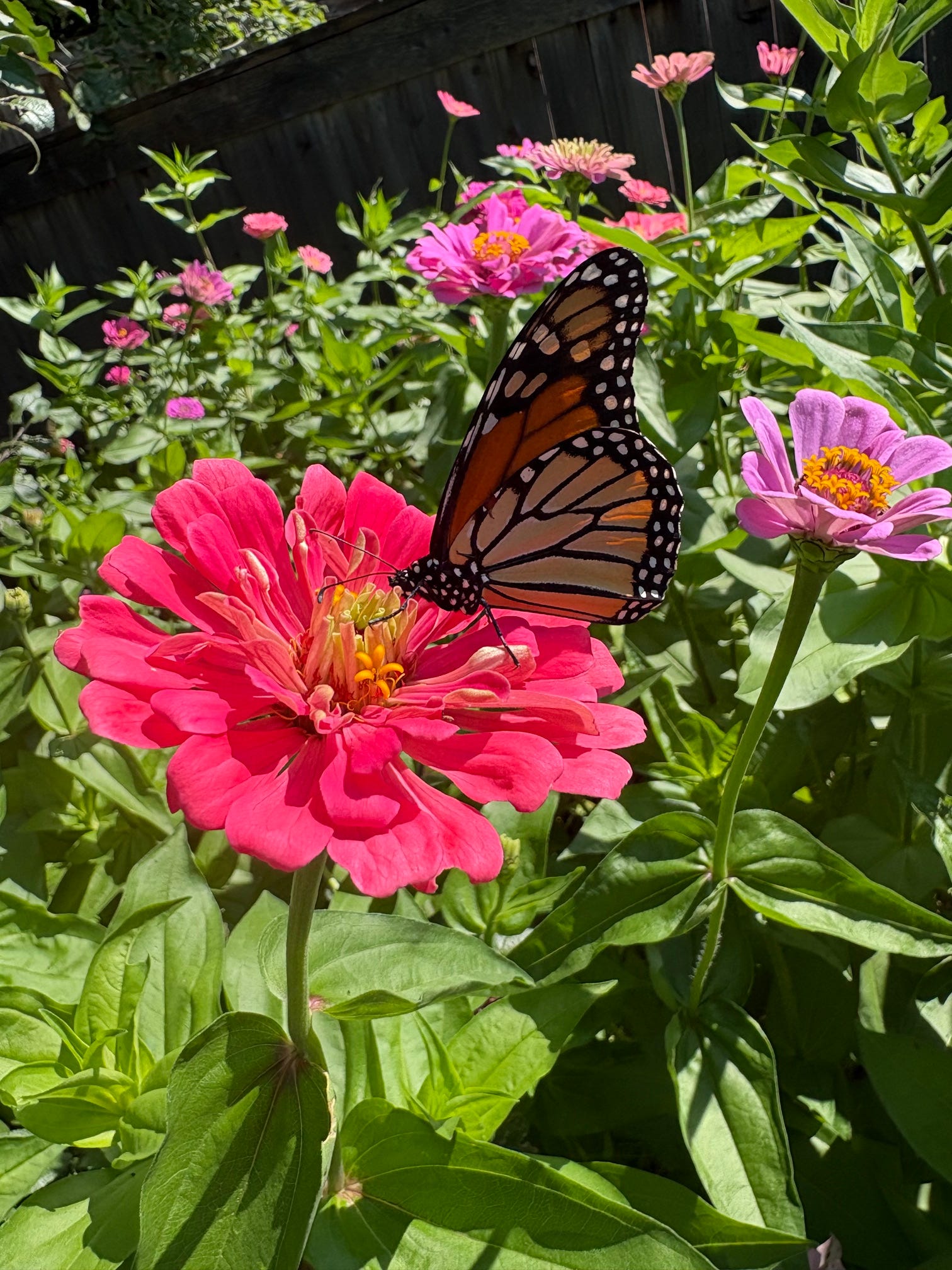
Earlier this summer, I attended Iowa singer-songwriter Kenni Falls’s show at Board and Batten in Dallas Center in their beautiful Basement Speakeasy. It was her last performance before the birth of her son, Townes. Local musician Shannon Bryan accompanied Kenni. In between sets, we chatted about transplanting milkweed and whether it was already too warm to do so. He thought that was probably the case. However, the next day he called me and said that he had several juvenile milkweed specimens I could try to transplant from his prairie if I was interested. I jumped at the chance and the next thing I knew I was looking out over a gorgeously restored native prairie on a beautiful day that flowed like a gentle dream.
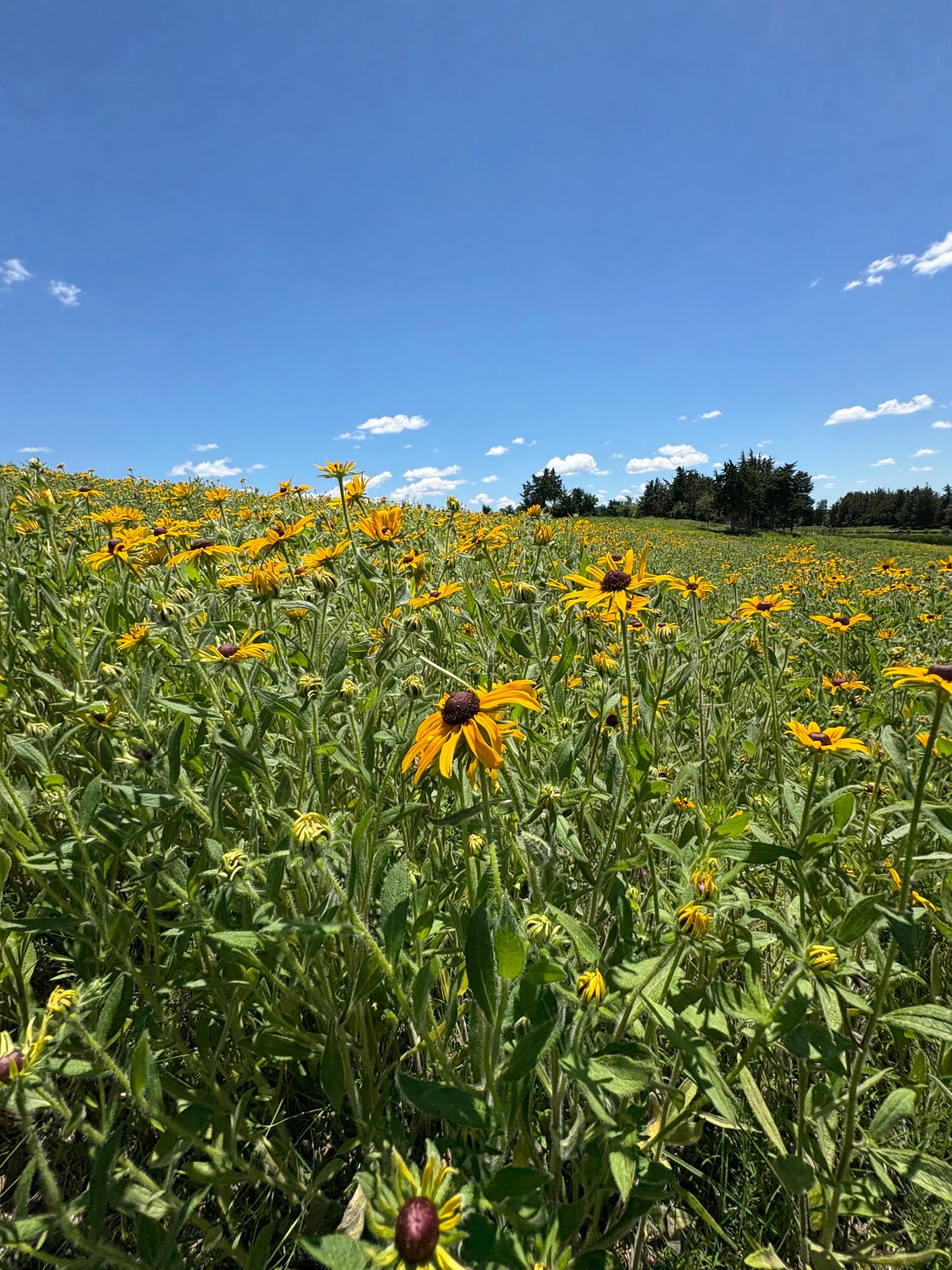
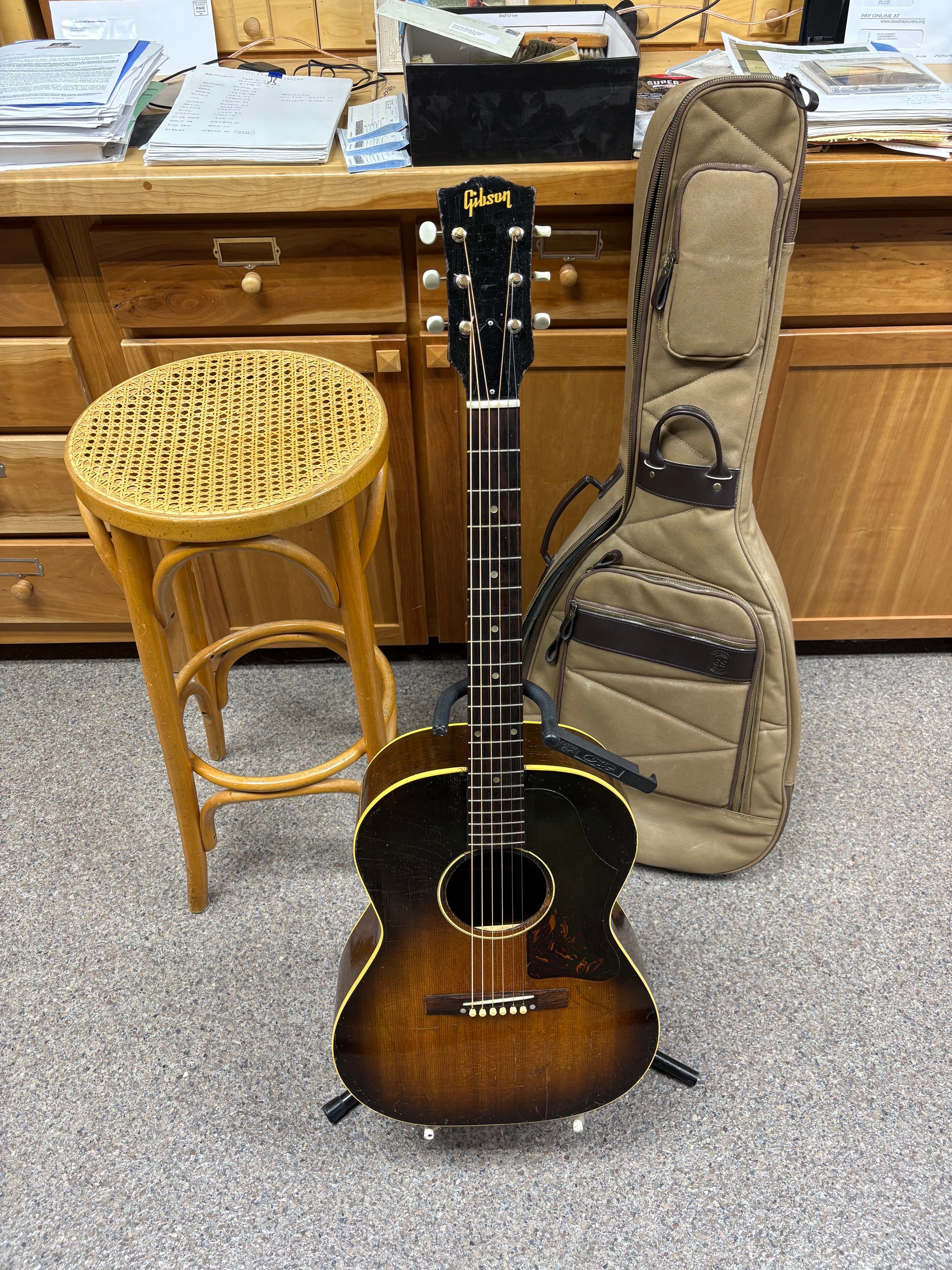
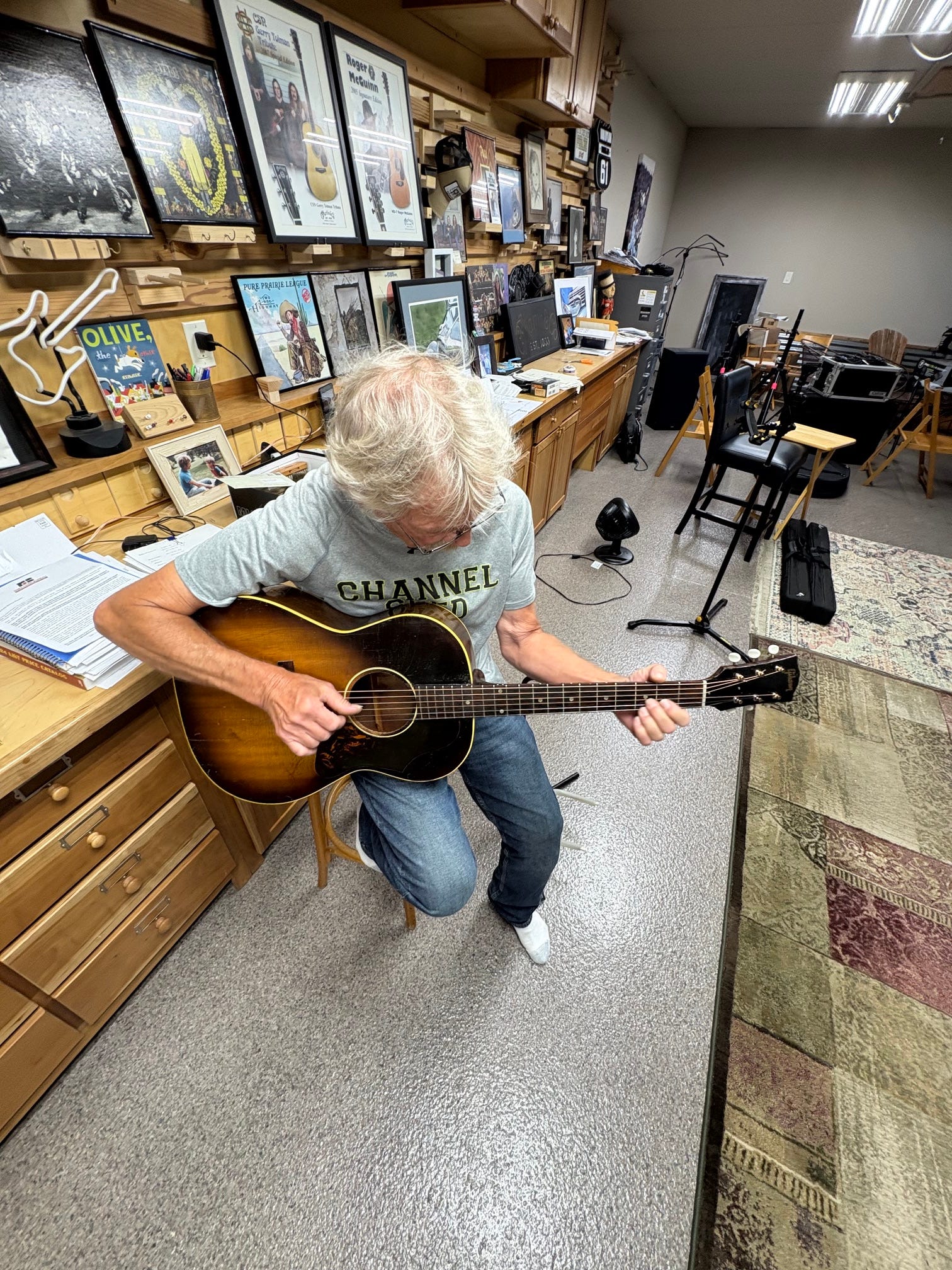
While we transplanted the milkweed, I mentioned to him that I have my insurance license and represent a product I think makes a ton of sense for people based on my personal experience. I asked if I could share the details with him sometime and he kindly agreed to a future conversation. After a thorough explanation and cost-benefit analysis, we were able to get him signed up and approved. As I was leaving his place, I noticed an older guitar in his collection—a beat-up sunburst without any strings. It was an older Gibson, which definitely made my eyes twinkle. I inquired as to its story, and he said that it was a gift 40+ years ago from his in-laws who had acquired it in Georgia at a garage sale. I asked if I could take it to my good friend and luthier, Norm Hoffman, to find out a little more about it. He said sure. Norm immediately had a vision for its restoration. Two days ago, I surprised Shannon with his fully repaired Gibson LG1. It’s like butter in his hands and I’m excited for the future of that mended guitar. Healed guitars make beautiful music. There’s just something serendipitous and symbiotic to their sound when they have the chance to sing again.
A Hymn for the Healing
Embracing healing and change is a life hack. The fluidity of this life makes it hard for someone like Willy Loman to ever be happy. He’s so stuck on a flawed and static vision of success (and mostly through the gilded and hollow paradigm of wealth accumulation) that he never allows himself to experience a real metamorphosis. Poor Willy reflects upon his life and says, “After all the highways, and the trains, and the appointments, and the years, you end up worth more dead than alive.” What an unnecessary shame for anyone to feel that way about their precious life because of a broken system.
In John Prine’s “Bruised Orange (Chain of Sorrow),” a song I absolutely love to cover because of its powerful use of metaphor and overall encouragement to fellow humans, Prine pens, “I’ve been brought down to zero, pulled out and put back there” perfectly encapsulating the catastrophic hurt so many of us experience in life but then goes on in the chorus to encourage healing and forgiving, “For a heart stained in anger grows weak and grows bitter. You become your own prisoner as you watch yourself sit there. Wrapped up in a trap of your very own chain of sorrow.” Too bad Willy Loman never had the chance to listen to Prine’s hymn for the healing to break free from his own chain of sorrow. Perhaps he could have realized that it’s never too late to change, to seek beauty, to experience something magical and become a believer.
“What’s Next, Chip?”
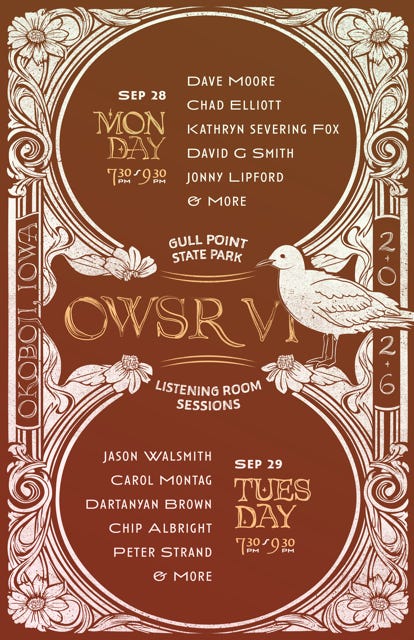
To find more stories and insights across the state of Iowa, please consider following and supporting the many talented journalists and storytellers of the Iowa Writers’ Collaborative of which I’m a proud member. Many of us will be at the Okoboji Writers’ and Songwriters’ Retreat this fall and we’d love to have you come join us. It’s for writers and learners at all stages in the creative process and full of wonderful people connecting in new and meaningful ways. You can learn more here and attend these incredible listening room sessions with some amazing Iowa musicians as part of the retreat.
Please visit www.chipalbrightmusic.com for a full listing of shows.
Other Ways to Support Chip Happens?
Did you know I carry my health insurance license and help folks navigate the caregiver journey in addition to my writing and music? Please learn about my personal experience and licensed services at www.chiphappens.life. I help folks evaluate strategic alternatives to traditional long-term care based on my personal experience as a family caregiver with loved ones that endured difficult cancer and dementia diagnoses. More than 63 million Americans were caregivers in 2025 so I believe it’s an important conversation for friends and families to undertake. Please read and share my article Prepare to Care with your network to better understand the role of caregivers as the “invisible backbone” of the American health care system.
NOTE: All annual paid subscribers to the Chip Happens Substack receive a copy of my CD compilation, Twenty-Five, that includes 25 original songs and an autograph if you request it. If you are only in the market for the CD, it is available here for $25. CD art and design were completed by my amazing and talented wife, Jen Albright, who is the driving force behind our boutique strategy + creative firm, AlbrightSpark.
Great reflections, Chip. And great job on exploring new avenues to find joy on the journey.
Love the twists and turns of this column, Chip. Thank you.